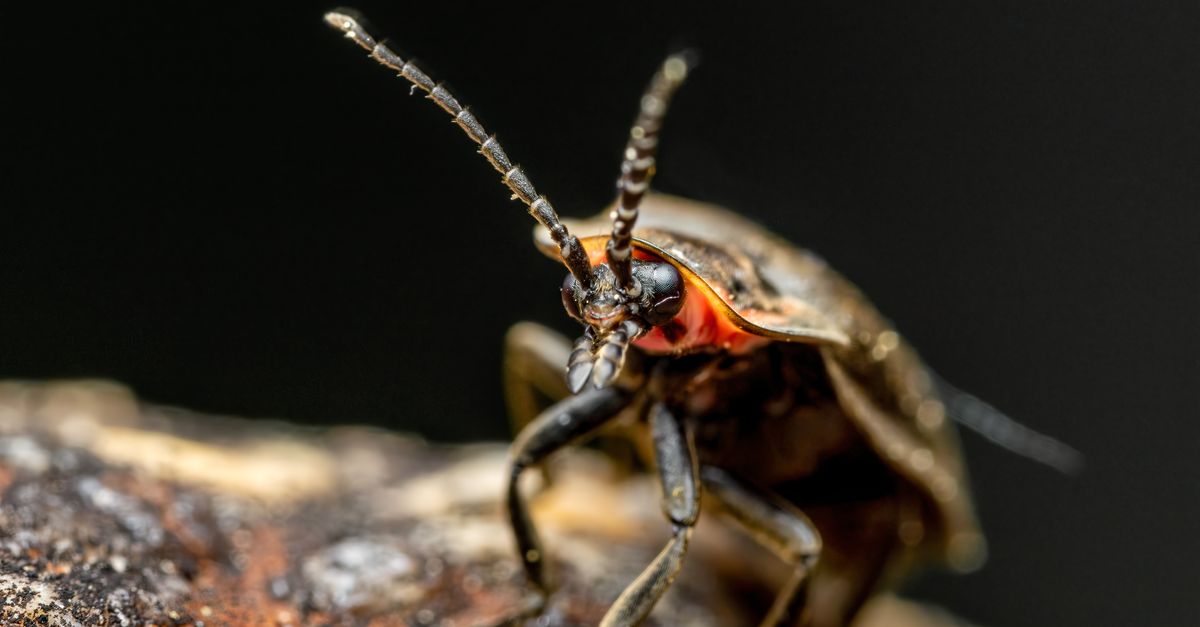
How Do Fireflies Glow? The Chemistry Behind the Flash
How do fireflies glow? Through a near-perfect chemical reaction between luciferin and luciferase that produces cold light with minimal heat waste—and millisecond
Wait, really? — the good kind of rabbit hole
Wait, really? — the good kind of rabbit hole
How do fireflies glow? Through a near-perfect chemical reaction between luciferin and luciferase that produces cold light with minimal heat waste—and millisecond

Plants sense gravity using tiny starch grains that shift in seconds, then redirect growth hormones to bend roots down and shoots up—here's the precise mechanism.

Blood is red because hemoglobin's iron absorbs blue-green light and reflects red. Learn the wavelength science, why veins look blue, and rare exceptions.

Earth spins at 1,670 km/h at the equator but you can't feel it. Learn why earth rotation speed varies by latitude and the physics behind why we don't feel it.

Seasons happen because Earth's axis tilts 23.5°, not because we're closer to the sun. Here's the actual mechanism—and why winter is colder despite Earth being nearest

Birds navigate migration using magnetic fields, star patterns, and the sun—three overlapping systems that work together. Here's how each one actually works.

Why does the moon have craters covering its surface? Billions of years of asteroid impacts with no atmosphere or erosion to erase them—here's the timeline.

Bees transform nectar into honey through enzymes, evaporation, and collective precision. The process takes weeks and requires visits to roughly 2 million flowers per jar.
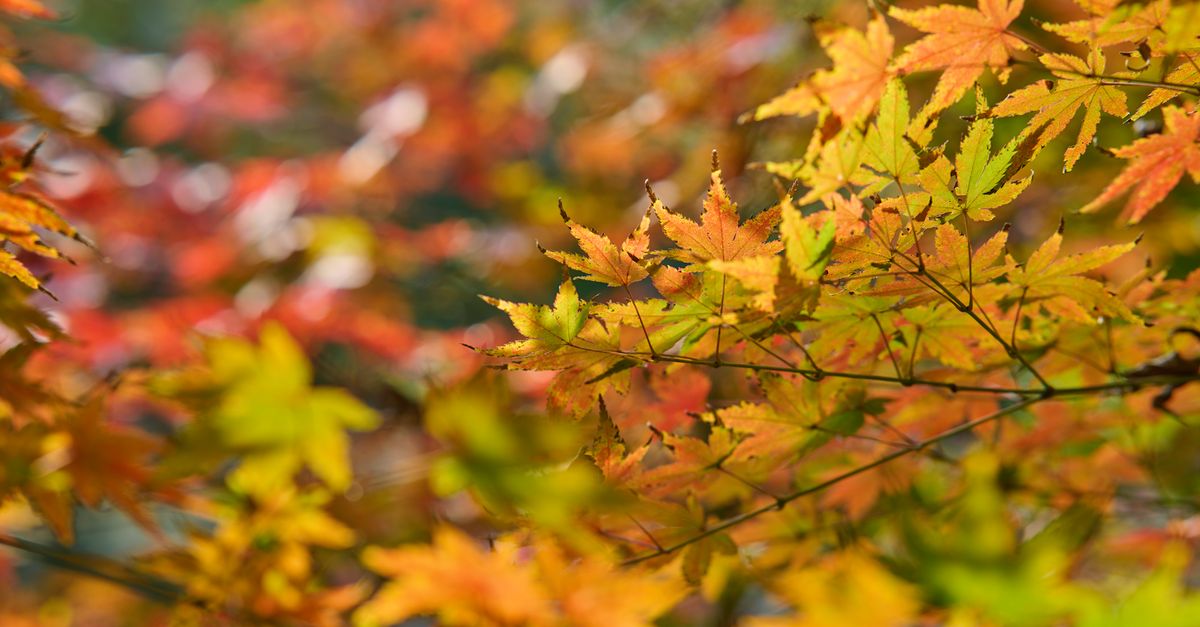
Leaves change color when trees stop producing chlorophyll and reveal hidden pigments—but that's only half the story. The science behind fall foliage, explained.

An asteroid roughly 10 km wide struck Mexico 66 million years ago, triggering the Cretaceous-Paleogene extinction. Here's how the impact cascaded through the food

Bats navigate darkness using ultrasonic echolocation—emitting high-frequency calls and interpreting echoes with millisecond precision to hunt, avoid obstacles, and fly.

Why do chameleons change color? It's not camouflage—it's for communication, emotion, and temperature control. Here's the real science behind the color shift.

Motion sickness happens when your inner ear and eyes send conflicting signals to your brain. Learn the evolutionary reason behind nausea and who's most vulnerable.

Itching happens when histamine binds to nerve receptors in your skin. Learn why scratching helps (and why it sometimes makes things worse).

Animals sense earthquake tremors before humans by detecting P-waves—the first, fast seismic waves. But they're not predicting the future; they're reacting faster.
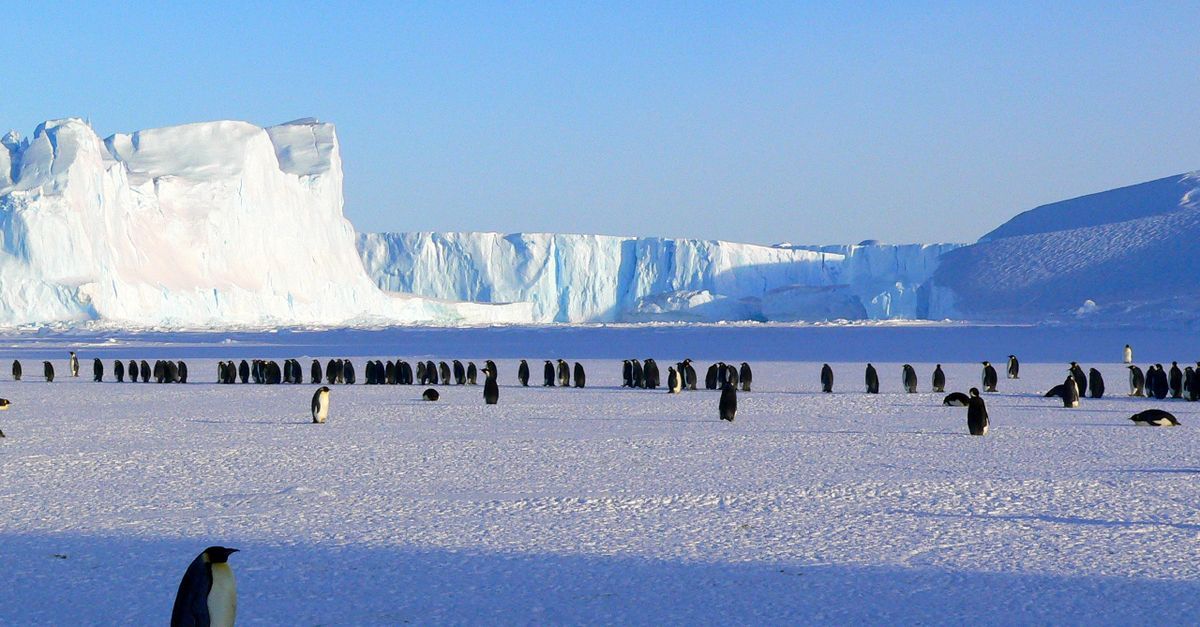
From emperor penguins to microscopic tardigrades, discover the remarkable animals that survive Antarctica's -89°C and the Arctic's brutal cold through antifreeze

Different fruits ripen at different speeds because of ethylene gas sensitivity. Climacteric fruits auto-ripen in days; non-climacteric fruits don't ripen after harvest

Less than 0.1% of dead organisms ever fossilize. Discover the rare conditions—rapid burial, oxygen depletion, mineral-rich water—that preserve ancient life.
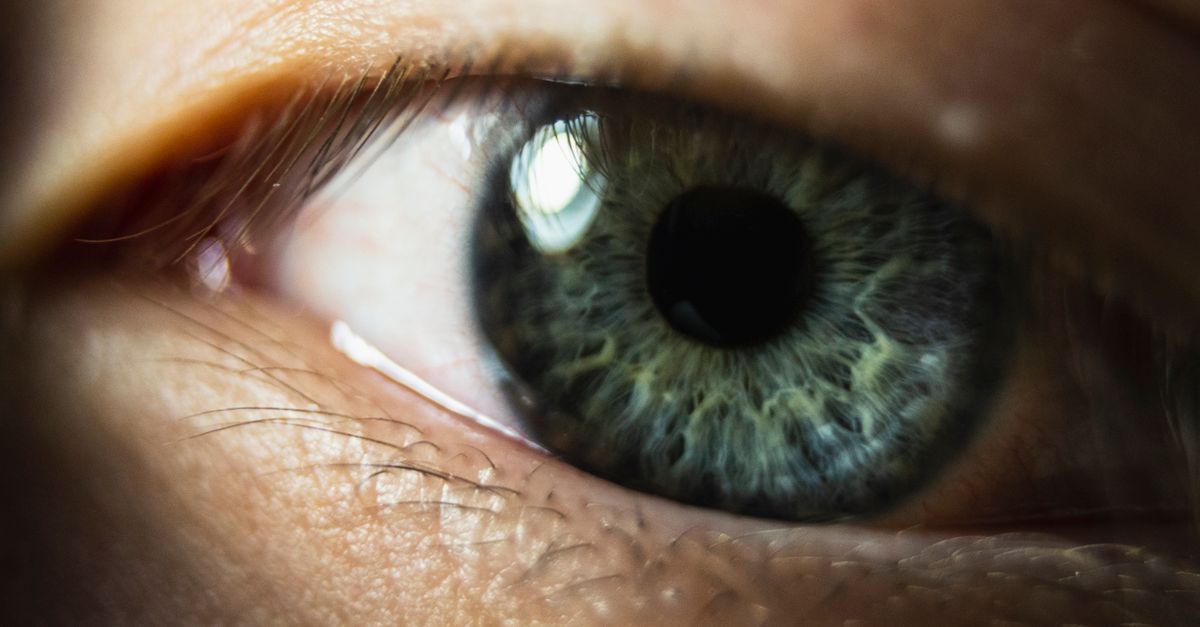
Some people see colors you can't, while you see colors they don't. Color blindness, tetrachromacy, and synesthesia reveal the surprising spectrum of human color vision.

Polar bears survive -50°C air and freezing seawater using hollow fur and blubber layers with measured insulation values. Here's the actual science.