
What's the Closest Black Hole to Earth?
The closest known black hole is Sagittarius A*, 26,670 light-years away at our galaxy's center—but invisible stellar black holes likely lurk much closer.
Wait, really? — the good kind of rabbit hole
13 articles
Space is the ultimate source of 'wait, really?' The Space collection makes the universe graspable — distances, black holes, planets, and the genuinely strange physics of it all — in plain, accurate language.
We stick to what the science actually supports and are honest about what's still unknown, which is often the most interesting part.
Explore below to feel the scale of the universe without needing a physics degree.
The closest known black hole is Sagittarius A*, 26,670 light-years away at our galaxy's center—but invisible stellar black holes likely lurk much closer.
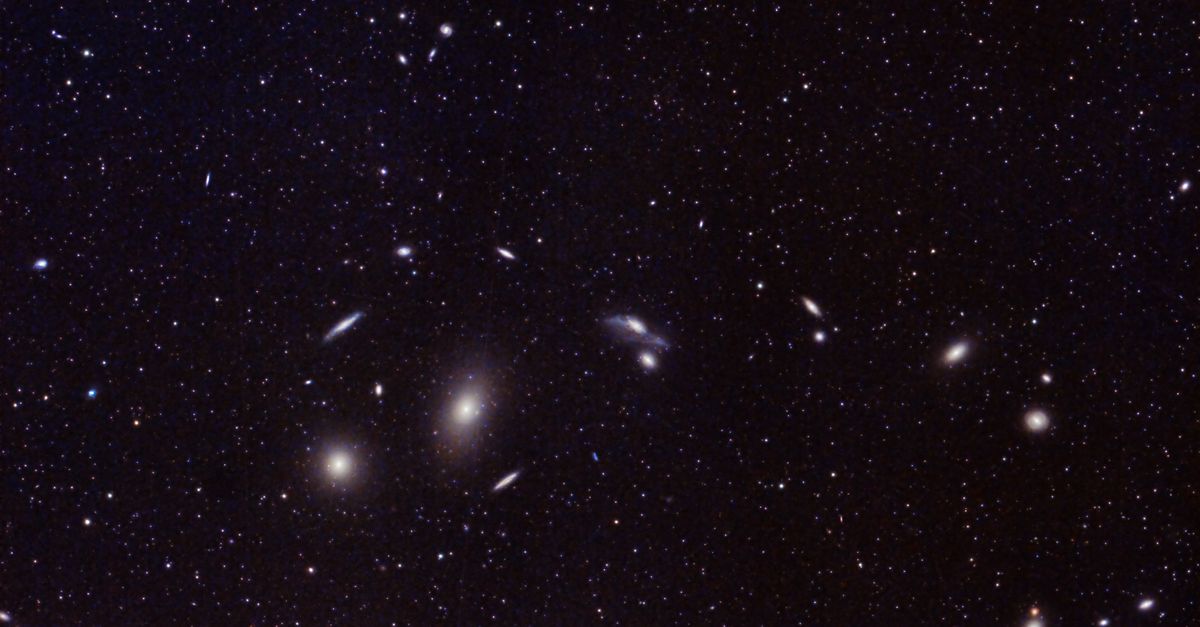
The biggest black hole known is Holm 15A at 170–310 billion solar masses, but measurement uncertainty means the title keeps changing. Here's why.
Supermassive black holes are millions to billions of times heavier than the Sun. Sagittarius A*, the Milky Way's black hole, sits 26,673 light-years away—massive

Astronauts adapt to weightlessness in 1-2 weeks through neurological compensation, not biological change. Fluid shift, nausea peak in 72 hours. Full story inside.

The moon creates tides through differential gravity, not simple pulling. Discover why there are two tidal bulges and how the sun's role surprises most people.
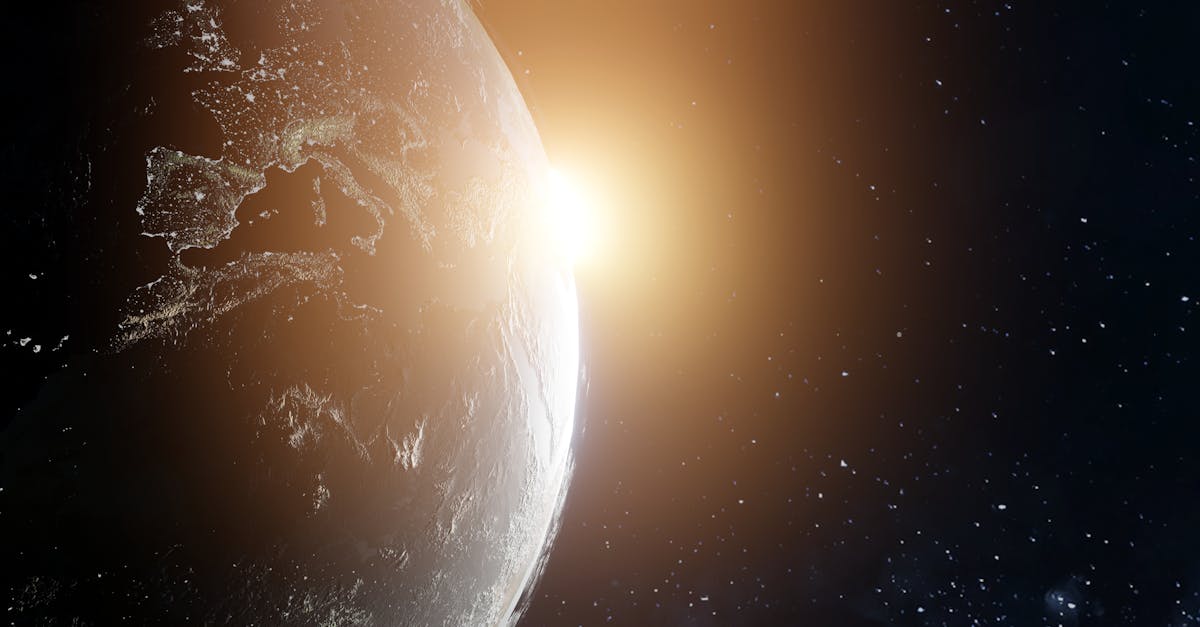
Sunlight takes 8 minutes 20 seconds to reach Earth on average, but light travel time varies from 8:04 to 8:30 across the year. Here's why the speed of light distance

Why does the moon have craters covering its surface? Billions of years of asteroid impacts with no atmosphere or erosion to erase them—here's the timeline.

A moonbow is a rainbow made from moonlight, not sunlight. Learn why these rare optical phenomena appear white to your eyes but reveal faint colors in photos.

Dark matter makes up 85% of the universe's matter but doesn't emit or absorb light. We know it exists through gravity — here's how scientists discovered invisible matter.

The aurora borealis forms when charged particles from the sun collide with Earth's atmosphere. Learn why northern lights glow green, when to see them, and how solar
Stars twinkle because Earth's atmosphere bends their light unpredictably, not because the star itself is pulsing. Here's the science behind stellar scintillation.
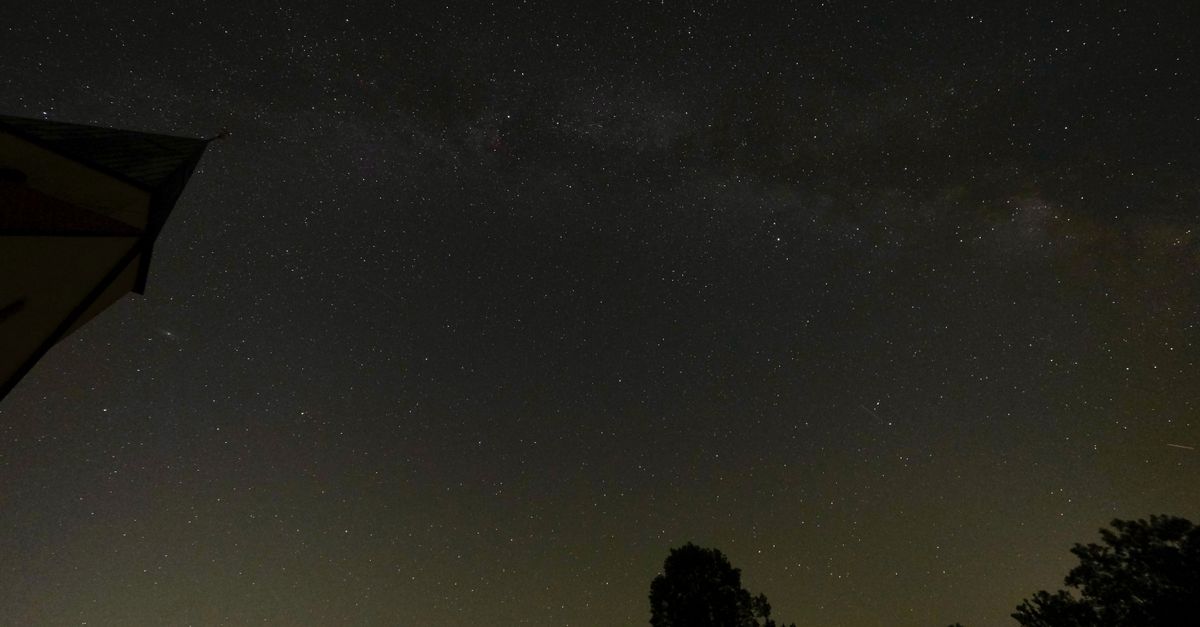
The observable universe is 93 billion light-years across and contains 2 trillion galaxies. Here's how we measure it, why we can't see further, and what it all means.

A black hole is a region of space where gravity is so strong that nothing—not even light—can escape. Here's how black holes work, what happens inside, and why Earth is